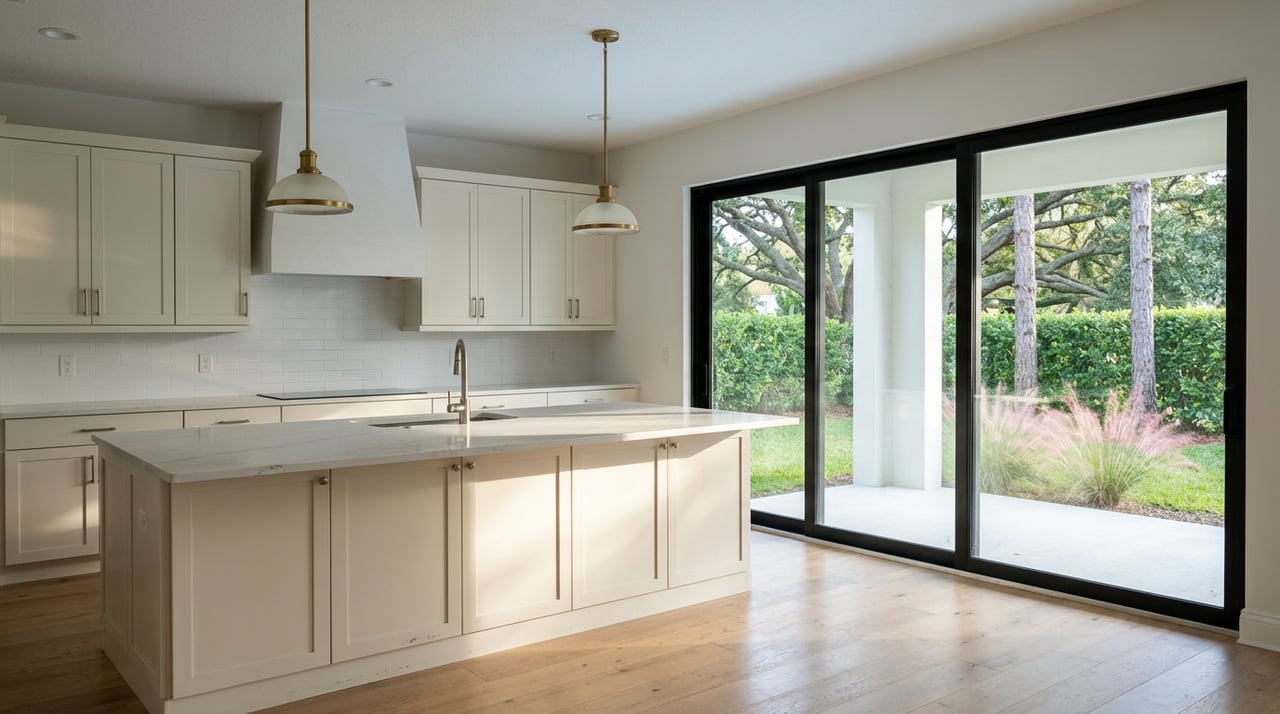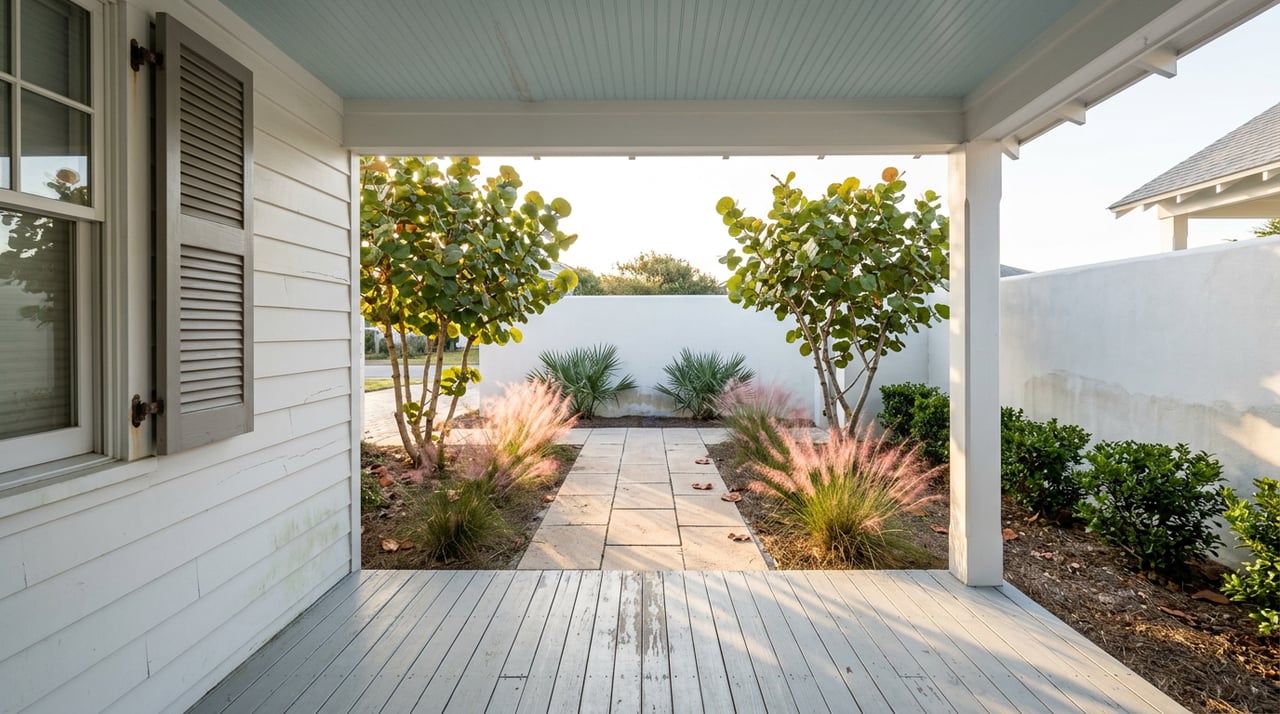
If you are thinking about buying a rental in Clearwater, it is easy to get distracted by the highest advertised rent. But a strong rental property is not just about what you could charge. It is about whether the rent, expenses, and renter demand actually work together in a way that makes sense over time. In this guide, you will learn what makes a Clearwater rental more competitive, what numbers matter most, and where many buyers misread the deal. Let’s dive in.
Start With Clearwater Rent Reality
Clearwater rents look different depending on the source and property type, so it helps to think in ranges instead of one single market number. Zillow shows an all-bed, all-property-type average rent of $2,200 per month in Clearwater as of June 6, 2026, while Apartments.com reports a lower apartment-only average of $1,543 in May 2026. That gap matters because houses, condos, and apartments do not perform the same way.
For apartments, reported averages in Clearwater are about $1,360 for studios, $1,543 for one-bedrooms, $1,875 for two-bedrooms, and $2,229 for three-bedrooms. Downtown Clearwater shows a different mix again, with lower reported rents in some categories. The takeaway is simple: you need to compare a property to the right segment, not to a citywide headline number.
Single-family homes can vary even more. Current Clearwater three-bedroom house listings commonly fall around $1,800 to $3,100 per month, though some listings are priced much higher. That spread shows why condition, location, layout, and features often move rent more than bedroom count alone.
Clearwater’s Census QuickFacts page reports a median gross rent of $1,658 for 2020 through 2024. Since many current listings are asking above that level, updated homes and well-positioned properties may command a premium. Still, asking rent is not the same as strong performance.
Focus on Demand, Not Just Rent
A strong rental usually matches what renters are already searching for. In Clearwater, that means paying close attention to price, convenience, and everyday livability. A property that checks those boxes often has a better chance of attracting steady interest.
RentCafe’s 2025 renter survey found that 63% of renters said in-unit laundry is a must-have, and the same share said rent price is a major decision factor. Other commonly valued features included community safety, clean and well-kept common areas, reliable high-speed internet, storage space, parking, and private outdoor space. Those preferences can help you decide where to spend money and where not to.
Location priorities also matter. In the same survey, renters ranked neighborhood safety first, followed by walkability, proximity to shopping, access to public transportation, highways, work, outdoor activities, and medical facilities. That does not mean every renter wants the same thing, but it does mean convenience and day-to-day function should be part of your analysis.
Amenities That Help Clearwater Rentals Compete
The best-performing rental is often not the flashiest one. It is the property with features renters notice quickly and use every day. In Clearwater, practical amenities often do more for demand than expensive cosmetic upgrades.
Features that tend to stand out in current listings include:
- In-unit laundry
- Parking
- Reliable internet setup
- Walk-in closets or added storage
- Patios or private outdoor space
- Fenced yards
- Hardwood or durable flooring
- Pet-friendly policies
- Furnished options in some cases
Pet-friendliness can widen your renter pool. Zillow’s 2025 renter report says 31% of recent renters and 24% of renters overall reported paying a pet fee or pet rent. In a market where renters compare many options online, a fenced yard or clear pet policy can make a real difference.
Presentation Matters More Than Many Owners Think
Renters often make fast decisions online before they ever visit a property. Apartments.com’s 2026 search study found that 85% of renters begin on rental sites or networks, 70% search on mobile, and 57% of recent renters consider at least one digital media feature essential. That means your property has to perform well on a screen before it performs well in person.
A strong Clearwater rental should have:
- Clear, bright photos
- Straightforward pricing
- Easy-to-read fee information
- A clean feature list
- Accurate details about pets, parking, and utilities
This is more than marketing polish. It is part of the product itself because renters are comparing similar homes side by side. If your listing is confusing or incomplete, you may lose attention before the property gets a fair look.
Understand the True Expense Stack
This is where many rental buyers get into trouble. A property can look good based on rent alone and still disappoint once real costs show up. To judge a rental properly, you need to account for the full expense stack.
According to IRS residential rental guidance, common rental expenses include:
- Advertising
- Cleaning and maintenance
- Insurance
- Management fees
- Mortgage interest
- Repairs
- Taxes
- Utilities
- Depreciation
If you are looking at a condo, dues or assessments for common element maintenance can also be part of the picture. Those costs may not seem dramatic on their own, but together they can change the deal quickly.
In Clearwater, property taxes deserve special attention. Pinellas County says property taxes depend on taxable value, the millage rate set by each taxing authority, the number of taxing authorities on the TRIM notice, and any exemptions or caps. The county also states that homestead exemption applies only when the property is your primary residence, and that exemption ends if the property is rented.
That matters for accidental landlords and move-out owners who assume their old tax treatment will continue. Pinellas County also notes that homestead property gets a 3% cap, while non-homestead property has a separate 10% assessment cap. Your tax bill can change more than expected once a home becomes a rental.
Flood and Insurance Risk Are Major Factors
In Clearwater, flood and storm risk are not side issues. They can directly affect insurance costs, financing, and long-term cash flow. A property with strong rent potential can still become a weak investment if risk-related costs are too high.
Pinellas County says flooding can occur anywhere and recommends considering flood insurance for a home, business, or rental. FEMA identifies flood-hazard information through its Flood Map Service Center, and high-risk zones can trigger mandatory flood insurance requirements for mortgaged properties. In practical terms, flood zone can matter just as much as square footage.
This is one reason a strong Clearwater rental is often the one with fewer hidden surprises. If you are comparing two similar properties, the one with more manageable insurance and flood exposure may produce the better result even if the advertised rent is slightly lower.
Do Not Ignore Utility Costs
Utility costs can quietly affect returns, especially if you cover them between tenants or include them in rent. The City of Clearwater says that as of December 2025, the minimum monthly utility bill for a 5/8-inch meter in city limits was $130.51. That total includes water, wastewater, solid waste, recycling, stormwater, and utility tax.
If you are underwriting a rental, this is the kind of cost that should be in your numbers from day one. It may not matter much if the tenant pays all utilities directly, but it matters a lot during vacancy, turnover, or any lease structure where utilities are owner-paid.
Use Simple Math to Test the Deal
You do not need a complicated spreadsheet to spot early warning signs. Start with three buckets: gross rent, operating costs, and debt service. This helps you separate what the property earns from what it actually keeps.
Here is the basic framework:
- Gross rent: the total scheduled rent before expenses
- Operating costs: ongoing property expenses before the mortgage
- Cash flow: what is left after all monthly costs are paid
Cap rate is a quick way to check all-cash return. It is annual net operating income divided by purchase price. Cash-on-cash return goes one step further by comparing annual cash flow to the actual cash you invested.
The research report gives a helpful Clearwater-style example. If a three-bedroom house rents for $2,550 per month, annual gross rent is $30,600. If annual operating costs total $12,000, net operating income is $18,600. On a $325,000 purchase price, that works out to about a 5.7% cap rate before financing.
That example shows why surface-level rent numbers can be misleading. The rent may sound solid, but once taxes, insurance, maintenance, and other costs are included, the return can feel much tighter.
Keep Purchase Price in Perspective
Clearwater’s median sale price was $395,000 in March 2026. When prices are at that level, rent-to-price math becomes even more important. If a property costs more to buy, it usually needs stronger rent, lower expenses, or a clear value-add path to make the numbers work well.
This is where practical real estate judgment matters. Sometimes the better rental is not the home with the highest list price or the nicest finishes. It is the one where the purchase price leaves enough room for maintenance, insurance, taxes, and a realistic vacancy plan.
What a Strong Clearwater Rental Usually Looks Like
In plain terms, a strong rental property in Clearwater tends to have a few things working together at once. It fits local renter demand, shows well online, offers useful features, and avoids hidden cost traps. That combination often matters more than chasing the highest possible rent.
A strong candidate usually has:
- A rent level supported by comparable properties
- A size and layout renters commonly want
- Clean, durable condition
- Practical amenities like laundry, storage, parking, or outdoor space
- Manageable taxes and insurance
- Careful review of flood exposure
- Utility costs that are understood upfront
The goal is not just to buy a property that can rent. The goal is to buy one that can hold up financially over time.
If you are evaluating rentals in Clearwater, it helps to look beyond the listing photos and ask tougher questions early. The right property is usually the one where demand, condition, and carrying costs line up in a realistic way. If you want a local, numbers-driven perspective before you buy your next rental, connect with Derek Mcdonald for practical guidance grounded in the Tampa Bay market.
FAQs
What rent range should you expect for a Clearwater rental property?
- Clearwater rent levels vary by property type and location. Research cited here shows apartment averages from about $1,360 for studios to $2,229 for three-bedrooms, while current three-bedroom house listings often range from roughly $1,800 to $3,100 per month.
What amenities help a Clearwater rental stand out?
- Features that can improve renter appeal include in-unit laundry, parking, storage, private outdoor space, fenced yards, durable flooring, and pet-friendly policies.
What costs should you include when analyzing a Clearwater rental?
- You should account for taxes, insurance, repairs, maintenance, utilities, advertising, management fees, and any condo dues or assessments when applicable.
Why does flood zone matter for a Clearwater investment property?
- Flood zone can affect insurance costs and loan requirements. In some higher-risk areas, mortgaged properties may require flood insurance, which can materially change cash flow.
How can you tell if a Clearwater rental property is actually strong?
- A strong Clearwater rental usually has supported rent, solid renter demand, practical amenities, manageable operating costs, and no major hidden issues related to taxes, insurance, flood risk, or utilities.