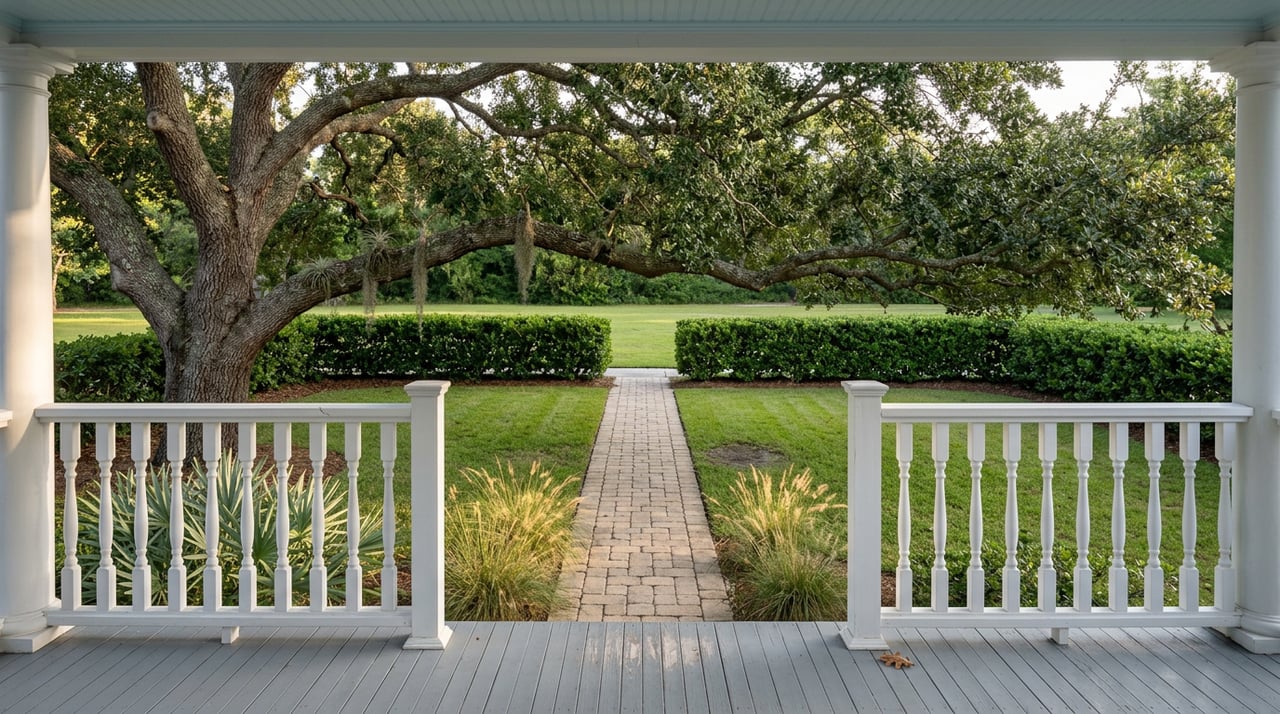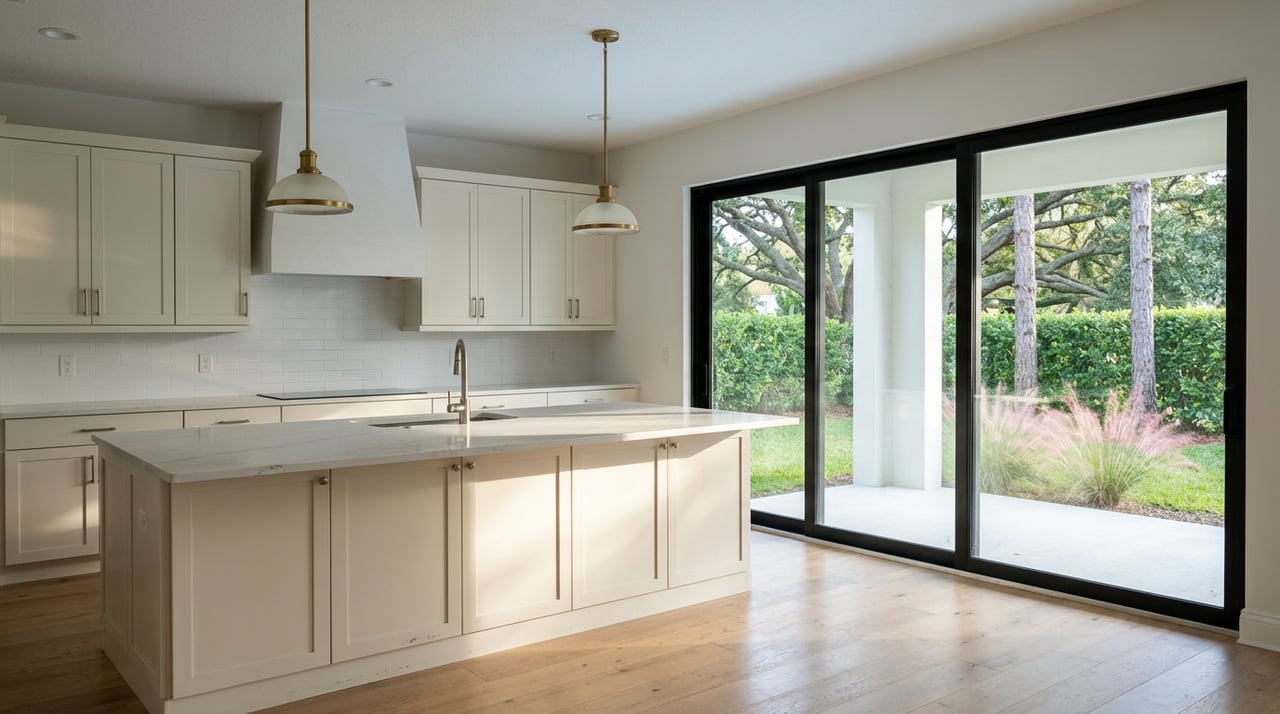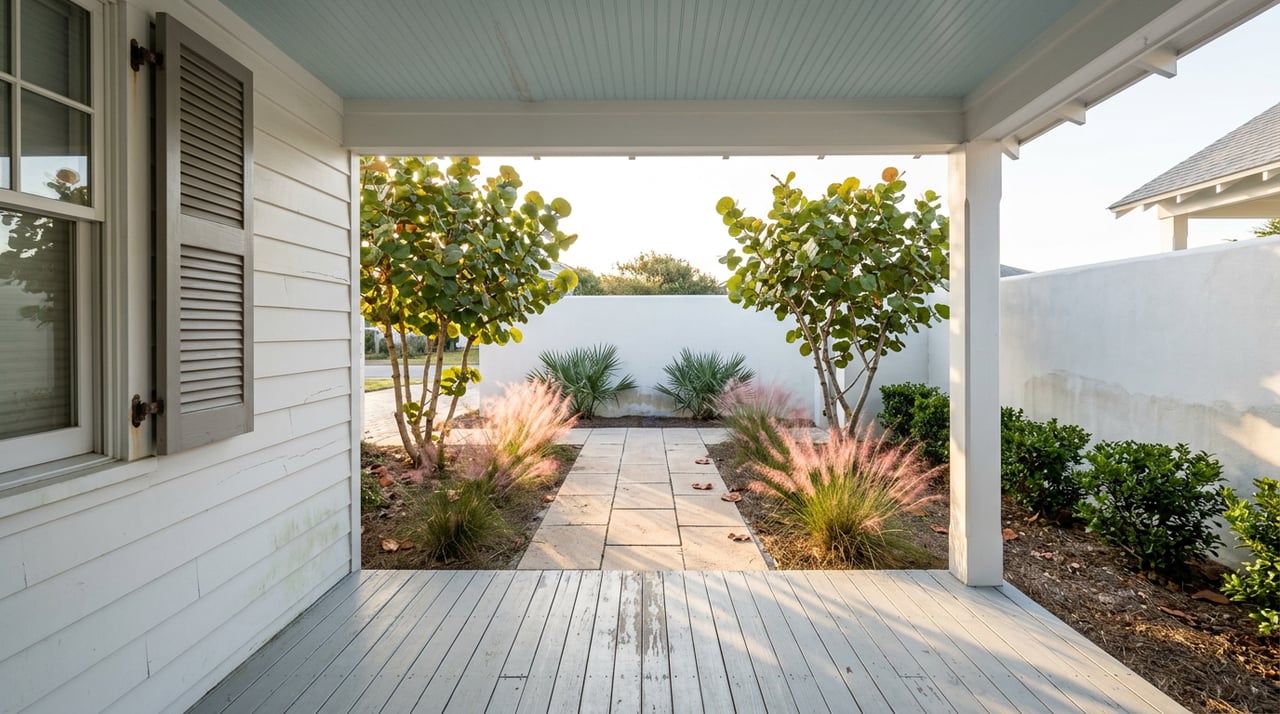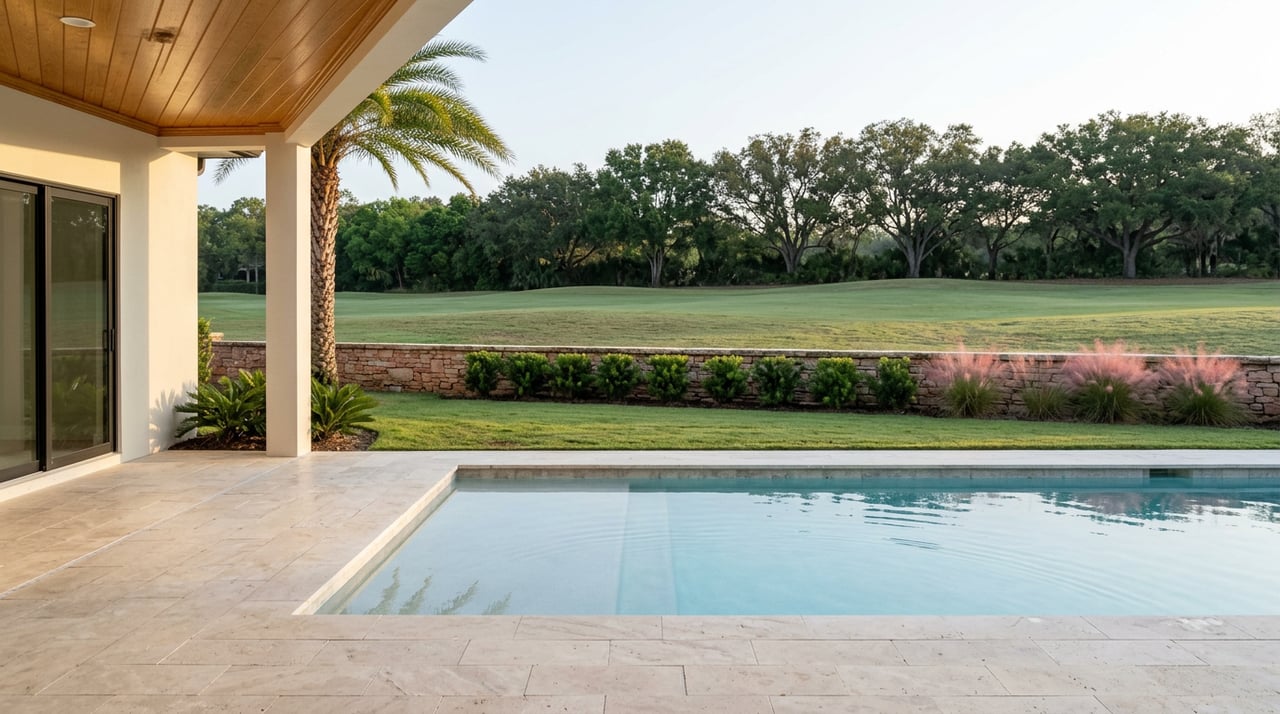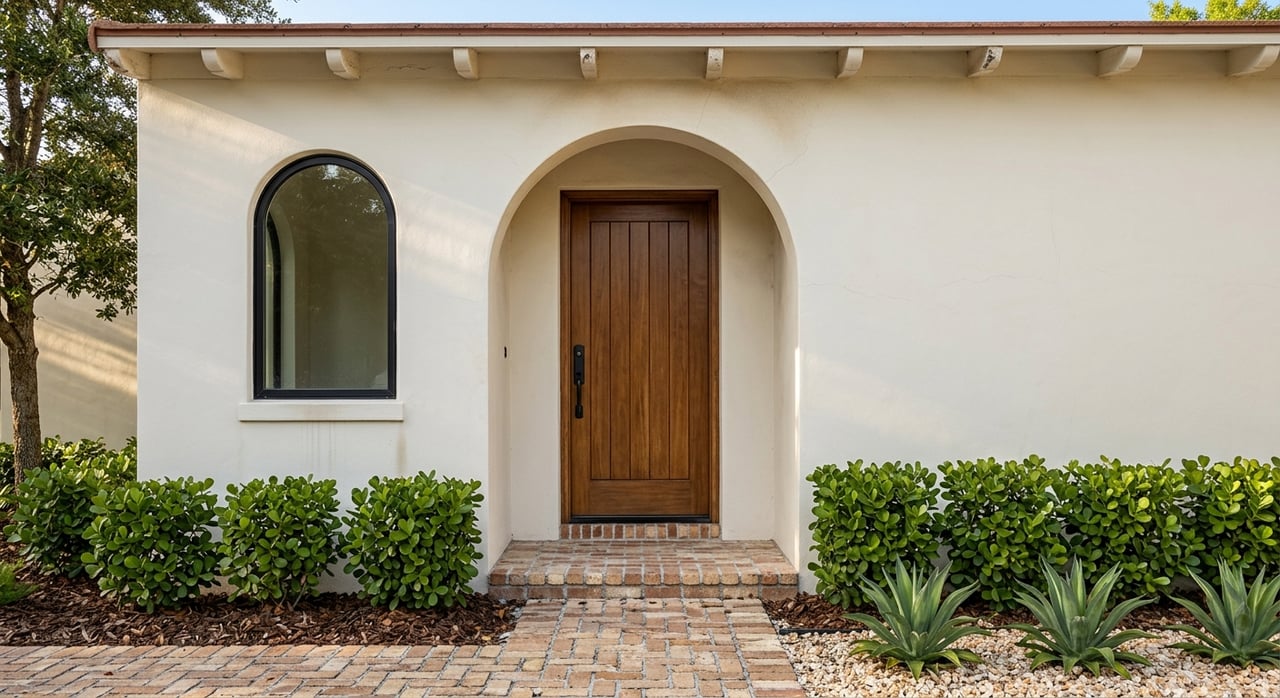
When you list a character home in Tarpon Springs, charm alone is not enough. Buyers may love original floors, porch details, and old Florida architecture, but they are also weighing condition, flood exposure, updates, and how well the home has been cared for. If you want the best result, you need a strategy that respects the home’s history and makes its value easy to understand. Let’s dive in.
Why character matters in Tarpon Springs
In Tarpon Springs, a character home is often part of a larger heritage story. The city’s preservation resources highlight a community shaped by Greek culture, a National Register downtown district, Greektown, local historic districts, and other protected cultural resources.
That means your home may appeal to buyers for more than square footage or finishes. It may stand out because it reflects the setting, materials, and architectural patterns that make Tarpon Springs feel distinct from other Pinellas County markets.
The city’s historic resources survey identified 371 historic resources in the survey area. It also found that many buildings are vernacular in style rather than high-style showpieces, which is important when you prepare your home for market.
In practical terms, buyers often respond to authenticity. They notice original windows, trim, rooflines, porches, built-ins, fireplaces, and proportions that feel true to the home’s era.
Common styles buyers recognize
Tarpon Springs includes a wide mix of architectural styles. The city’s survey and design materials reference Frame Vernacular, Masonry Vernacular, Craftsman, Colonial Revival, Folk Victorian, Queen Anne, and Mediterranean Revival, among others.
Craftsman is noted as one of the most common styles in the historic district. Even if your home is not formally labeled by style, those design cues can still shape how buyers see its value.
That is why your listing should present period details as assets, not oddities. What feels old to one seller may feel rare and meaningful to the right buyer.
Price the home buyers see today
A character home needs a pricing strategy grounded in reality. Current market trackers show Tarpon Springs as a market where presentation and condition matter.
As of spring 2026, public data sources show a range of market numbers. Redfin reported a March 2026 median sale price of $357,250 and 53 median days on market, Realtor.com reported an April 2026 median listing price of $412,450 with a median sold price of $382,500 and 81 median days on market, and Zillow reported an average home value of $388,987 with homes going pending in around 52 days.
Because each source uses a different method, it is better to treat these numbers as a range than as one exact benchmark. The bigger takeaway is that buyers are being selective, and overpricing can cost you time and leverage.
Why overpricing hurts character homes faster
With a distinctive older home, buyers often do extra mental math. They may love the charm, but they are also thinking about maintenance, insurance, flood zone questions, and future repairs.
If the asking price assumes buyers will ignore unfinished projects or dated systems because the house is charming, you may lose momentum early. The strongest pricing approach reflects what has been preserved, what has been upgraded, and what still needs work.
Use the right comps
Your home should be compared to nearby sales that align with its age, condition, renovation level, and flood exposure. A fully updated bungalow in a historic setting should not be lumped in with a newer house just because the bedroom count is similar.
This is where local, property-specific analysis matters. A good pricing conversation should look at the actual features buyers are paying for in Tarpon Springs, not just broad citywide averages.
Stage for authenticity, not sameness
Staging can help buyers connect with a home quickly. According to NAR’s 2025 staging report, 83% of buyers’ agents said staging made it easier for buyers to envision a property as their future home, and 49% of sellers’ agents observed less time on market.
For a character home, the goal is not to make it look generic. The goal is to remove distractions so buyers can notice the architecture.
What to highlight before photos
Focus on the features that make the home feel real and well cared for, such as:
- Original or restored floors
- Trim and moldings
- Built-ins
- Fireplaces
- Porch details
- Window proportions
- Interior doors and hardware
- Rooflines and exterior detailing
Oversized furniture, heavy decor, and visual clutter can hide those features. A lighter, simpler setup usually lets the home speak for itself.
Where staging matters most
NAR reports that living rooms, primary bedrooms, dining rooms, and kitchens are the spaces most commonly staged. In a Tarpon Springs character home, those rooms often carry the strongest mix of daily function and historic detail.
A clean living room can show off windows, ceiling height, and built-ins. A calm dining room can make original trim and proportions easier to appreciate.
Keep improvements restrained
NAR also recommends decluttering, reducing bulky furniture, improving curb appeal, and using neutral paint where needed. That advice fits especially well here.
If you repaint or refresh before listing, choose updates that support the home’s style rather than fight it. Buyers should feel the house has been cared for, not stripped of personality.
Use photography that tells the truth well
Photos do a lot of the selling before a buyer ever books a showing. For a character home, photography should capture both charm and condition clearly.
That means showing the real finishes, true room scale, natural light, and preserved details without making the property look like something it is not. Honest photography tends to build more trust and better-qualified interest.
Virtual staging can be useful in empty rooms, but it should stay clearly in the realm of presentation. If photo enhancement materially alters the property, that should be disclosed.
Gather documents before you go live
Older homes usually need more listing prep than newer resale homes. In Tarpon Springs, that is especially true if the property is in or near a historic district or in an area with flood-related concerns.
Before your listing goes active, gather the paperwork that helps buyers understand what has been done and how it was handled.
What sellers should have ready
Try to assemble:
- Roof records
- HVAC replacement information
- Electrical upgrade records
- Plumbing updates
- Window restoration or replacement details
- Porch or exterior repair records
- Permits and final inspections
- Warranties and manuals
- Before-and-after photos for major work
- Any historic-district approvals, if applicable
NAR’s seller guidance also recommends identifying major repairs in advance and considering a pre-sale inspection. That can help you spot issues before a buyer does and reduce surprises once negotiations begin.
Understand historic district rules
Tarpon Springs has a heritage-preservation ordinance that can affect exterior work. The city requires a Certificate of Appropriateness for the alteration, construction, removal, or demolition of a landmark or a structure within a historic district.
At the same time, the ordinance says ordinary maintenance, repair, exterior painting, or interior remodeling that does not significantly change material, design, or exterior appearance may proceed without prior approval. That distinction matters if you have made updates or are planning them before listing.
In its review standards, the city emphasizes compatibility with the original style, accurate replacement of missing features using historic evidence, and repair of distinctive features rather than replacement whenever possible. If your home has had exterior changes, buyers may feel more confident when you can show that the work was handled correctly.
Verify flood zone early
Flood risk is a local issue you should address up front. Tarpon Springs says the city contains X, AE, and VE flood zones, and it notes that A and V zones are high-risk areas subject to mandatory flood-insurance purchase requirements.
If your home is near the waterfront or in an older low-lying area, verify the flood zone before listing. That gives you time to prepare accurate information for buyers and avoid last-minute confusion.
For planned improvements, the city’s Building Development department notes that Tarpon Springs operates under the 2023 Florida Building Code, uses an online permit submission system, and may require floodplain permits for work in Special Flood Hazard Areas. In short, older homes in flood-sensitive areas can require more lead time than a simple cosmetic project.
Market the setting, not just the structure
A great listing for a Tarpon Springs character home should describe the home itself and the place it belongs to. The city’s identity is tied to downtown, Greektown, historic fabric, and a waterfront heritage that buyers often find meaningful.
That does not mean overselling lifestyle in vague terms. It means accurately showing how the home fits into a well-known local context with real history and architectural continuity.
When buyers understand both the house and its setting, the listing feels more complete. That can help the right buyer connect with your home faster and with more confidence.
A smarter listing plan wins
Character homes rarely perform best with a one-size-fits-all approach. They need pricing discipline, thoughtful prep, clean documentation, and marketing that respects what makes them different.
That is where practical renovation knowledge can make a real difference. When you understand which details add value, which repairs buyers will question, and how to present the home honestly, you put yourself in a stronger position from day one.
If you are thinking about listing a character home in Tarpon Springs, Derek Mcdonald can help you build a pricing and prep plan that reflects the home’s history, condition, and market position.
FAQs
What counts as a character home in Tarpon Springs?
- In Tarpon Springs, a character home usually refers to an older property with architectural details, original materials, or design features that reflect the city’s historic fabric, including vernacular, Craftsman, Folk Victorian, Colonial Revival, and other traditional styles.
How should you price a historic or older home in Tarpon Springs?
- You should price it using comparable sales that match the home’s age, condition, renovation level, and flood exposure, rather than relying on broad market averages or comparing it only to newer remodeled homes.
Do Tarpon Springs historic district homes need approval for exterior work?
- If a home is a landmark or is located within a historic district, certain exterior alterations, construction, removal, or demolition may require a Certificate of Appropriateness, while ordinary maintenance and some non-substantial work may not.
What flood zones should sellers know about in Tarpon Springs?
- Tarpon Springs says the city contains X, AE, and VE flood zones, and A and V zones are considered high-risk areas with mandatory flood-insurance purchase requirements in applicable situations.
What should you do before listing an older home in Tarpon Springs?
- You should gather permits, warranties, repair records, inspection information, and any historic-district approvals, then verify flood zone details and make sure the home is staged to highlight original features without clutter.