Ever heard someone say a deal “fell apart over the appraisal” and wondered what that really means? If you are buying or selling in Cheval, this can be a real turning point in a contract. You want to protect your budget, your timeline, and your goals. In this guide, you will learn what an appraisal gap is, why it happens in Cheval, and smart ways to handle it whether you are a buyer or a seller. Let’s dive in.
Appraisal gap explained
An appraisal gap happens when the home’s agreed purchase price is higher than the appraised value used by the buyer’s lender. Example: you agree to buy at $500,000, but the appraisal comes in at $480,000. The $20,000 difference is the appraisal gap.
Why this matters: lenders base the loan amount on the appraised value, not the contract price. If the appraisal is lower than the price, the lender will not raise the loan to cover the gap. You can renegotiate, bring extra cash, or use your contract protections to exit if allowed.
How appraisals work in Cheval
For financed purchases, the lender orders the appraisal from a licensed professional. Appraisers must follow national USPAP standards and Florida licensing rules. You can learn more about valuation standards from The Appraisal Foundation’s USPAP resources, and the CFPB’s overview of appraisals for consumers.
In Florida, appraisers are licensed and regulated by the state. You can review licensing information through the Florida Department of Business and Professional Regulation. Appraisals are opinions of market value supported by comparable sales, adjustments, and market trends. An appraiser cannot simply match the contract price without market support.
Important distinction: a mortgage appraisal is not the same as the county’s property tax assessment. The lender’s appraisal is done for your loan at a specific point in time. The Hillsborough County Property Appraiser sets values for tax purposes on its own schedule. The county’s valuation does not control your lender’s appraisal.
Why gaps happen in Cheval
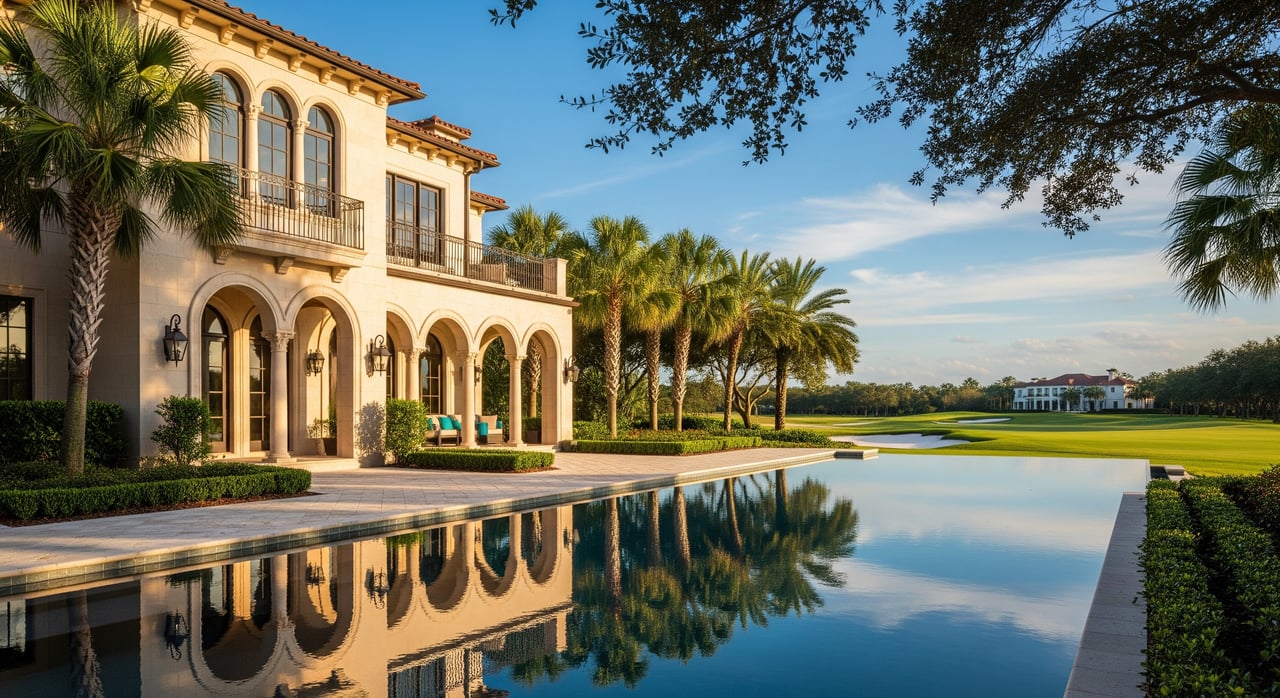
Cheval has a mix of residential properties and desirable settings, including homes with premium lot locations, water or golf views, and renovated interiors. When offers move faster than closed sales data, appraisals can lag behind current prices. This is common when:
- Inventory is tight and buyers compete above list price.
- Unique homes or heavy upgrades have few close comparable sales.
- Recent appreciation outpaces the closed comps appraisers can use.
Appraisers rely on closed sales, not just active or pending listings. If recent comparable sales do not fully reflect a premium for a specific lot or renovation, the appraised value may land below the contract price.
Buyer strategies that work
If you face a low appraisal in Cheval, you have options. Each comes with trade-offs.
- Offer appraisal gap coverage. You state in the contract you will cover a specific shortfall amount or percentage. This can strengthen your offer, but you must have the cash ready at closing.
- Increase your down payment or earnest money. This may improve loan-to-value and signal strength. It does not change the appraised value, so you still need funds if there is a shortfall.
- Renegotiate with the seller. You can request a price reduction to the appraised value, or split the difference. Success depends on competition and the seller’s priorities.
- Keep the appraisal contingency. This gives you a path to exit if the value comes in low, subject to contract terms.
- Waive the appraisal contingency. This can win a bidding war, but it increases your risk. If the appraisal is low and the lender will not adjust, you may need to bring more cash or risk losing your deposit, depending on the contract.
- Request a reconsideration of value. Your agent can submit recent comps, details on upgrades, and photos to the lender’s appraisal reviewer. Outcomes vary, but strong data can help.
Seller strategies that protect value
As a seller, plan ahead for potential valuation questions.
- Prepare a comps package. Provide recent neighborhood sales, a list of upgrades, lot premiums, and HOA amenities. This helps support your price.
- Assess offer strength beyond price. A buyer with strong funds or defined appraisal gap coverage can reduce risk.
- Weigh contingencies. Allowing an appraisal contingency can expand your buyer pool. Requiring a waiver can reduce appraisal risk, but it narrows the field.
- Be ready to negotiate. If a low appraisal appears, you can reduce the price, split the difference, or hold firm and invite the buyer to cover the gap.
Prep steps before you write an offer
A few simple steps can save stress later.
- Get fully preapproved and talk with your lender about appraisal timelines and review processes.
- Ask your lender if any appraisal waivers are possible under your profile and property type. National programs evolve, and lender policies vary. Review general guidance from Fannie Mae’s single-family site and Freddie Mac’s appraiser resources.
- Set a realistic cash reserve. If a small gap appears, you will be glad you planned for it.
- Work with an agent who knows Cheval comps, the HOA context, and recent sales patterns so your offer is both competitive and supported by data.
What to do if the appraisal is low
If the report comes in below the contract price, stay calm and follow a clear process.
- Review the appraisal with your agent and lender. Verify the comps used and adjustments. Look for missed features, upgrades, or more recent sales.
- Decide on your path. Options include requesting a price change, covering the gap, or pursuing a reconsideration of value through the lender’s process.
- Follow contract timelines. Appraisal and financing deadlines matter. Respond quickly and document everything.
- Keep your long-term goals in focus. Paying a small gap may be reasonable if the home fits your needs for years. If the numbers do not work, your contingency may be your safety valve.
Final thoughts
Appraisal gaps in Cheval are manageable when you prepare. Strong local comps, clear contract strategy, and open communication with your lender and agent go a long way. If you want pragmatic guidance from an agent who understands both numbers and property condition, reach out. Derek Mcdonald can help you plan a winning approach that fits your budget and timeline.
FAQs
Who pays an appraisal gap in Cheval home sales?
- The buyer typically covers the shortfall with extra cash at closing unless the seller reduces price or the lender revises the loan; contract terms control your options.
Can a low appraisal in Cheval be appealed or changed?
- Yes. Your lender can request a review or second look. You or your agent can submit better comps and upgrade details, but changes are not guaranteed.
What does waiving the appraisal contingency mean in Florida?
- You accept the risk that a low appraisal will not let you cancel based on that contingency; you may need to cover the gap or accept a smaller loan, which increases financial risk.
Is a mortgage appraisal the same as a home inspection in Cheval?
- No. An appraisal estimates market value for a lender. An inspection assesses the property’s condition, systems, and potential repairs.
How common are appraisal gaps in Cheval right now?
- It depends on current local conditions. In fast-moving or competitive segments, gaps are more common. Recent MLS trends and lender feedback are the best indicators at any given time.