Is your timing helping or hurting your Downtown Tampa sale? In a condo-heavy market like downtown, the calendar can shift buyer traffic, pricing power, and days on market in noticeable ways. If you are planning to buy or sell in the coming months, understanding seasonality can help you capture more interest, negotiate better, and avoid avoidable delays.
In this guide, you will learn how demand ebbs and flows across the year, when buyers and sellers tend to have the upper hand, and what to do differently in hurricane season. You will also get a practical, month-by-month game plan tailored to Downtown Tampa. Let’s dive in.
Downtown Tampa’s seasonal rhythm
Downtown Tampa does not slow the way northern markets do in winter. In fact, buyer activity often rises from late fall through early spring. Seasonal residents and winter visitors arrive, weather is pleasant for showings and open houses, and events pull more people into the urban core. You tend to see stronger traffic and competition in this window.
Summer and early fall usually bring a relative slowdown. Hurricane season runs June through November, and the peak late summer months can reduce urgency for discretionary moves. Buyers and lenders also take a closer look at insurance and storm readiness, which can add friction to deals.
The upshot: late fall to early spring often favors sellers with more showings and competing offers, while summer to early fall can open opportunities for buyers to negotiate.
Why condos feel seasonality more
Downtown Tampa is dominated by condos in high-rise and mid-rise buildings, plus a smaller number of townhomes and infill single-family homes. Because so much of the market is condo-driven, the seasonal pattern shows up clearly in inventory, pricing, and days on market.
Buyer types also amplify this effect. You have local professionals and medical staff, corporate transferees, investors focused on rental performance, and seasonal residents from the Northeast and Midwest. Tourism, conventions, and short-term stay demand feed investor interest. When visitors spike, condo tours do too.
Best months to list a downtown condo
Many Tampa sellers target late fall through early spring to capture stronger buyer traffic. If your goal is maximum exposure, consider listing in this window with a pricing strategy that reflects increased competition.
That said, downtown condo inventory can rise in late summer or early fall as leases turn over and academic calendars reset. If you list then, you may face more competition. A sharper price, a credit for closing costs, or a flexible closing date can help your unit stand out.
A few tactical tips:
- Focus on standout features. Highlight balconies, walkability to waterfront and entertainment, and building amenities in your photos and copy.
- Optimize photography and staging. Winter light and milder temperatures help, but indoor staging that showcases views and livability matters year-round.
- Time inspections and repairs. Avoid listing right before the most active hurricane months if you want a quick closing. Be prepared for mitigation questions anytime in season.
Buyer strategies by season
Your approach should match the calendar and your goals.
- If you are a snowbird or second-home buyer: Shop before or early in the high season so you can use the home right away. Turnkey condos near amenities often draw more competition, so have financing and decision criteria ready.
- If you are an investor: You may find more options before peak tourism months, but regulation or insurance updates can create urgency at any time. Underwrite insurance, HOA budgets, and assessment risk carefully.
- If you are a local buyer or relocating: Off-peak months may offer less competition. Use slower periods to negotiate on price or credits, especially if a unit has been on the market longer than typical for the building.
Hurricane season: what changes
Hurricane season runs from June 1 to November 30, with a typical activity peak in August and September. The National Hurricane Center provides official hurricane season guidance and updates.
During this period, buyers, sellers, and lenders often adjust:
- Insurance diligence increases. Premiums and coverage availability can shift quickly, so monitor Florida Office of Insurance Regulation updates and verify insurability before you finalize terms.
- Inspections focus on storm readiness. Expect attention on windows, balconies, roofs, and building-level mitigation. Wind mitigation credits may improve insurance quotes.
- Timelines can stretch. Underwriters and carriers may pause new policies during active storm threats. Build extra time into your closing calendar.
Events and conventions that move demand
Downtown Tampa’s event calendar adds another layer. Gasparilla in late January or early February, hockey season at Amalie Arena, holiday events, and major conventions create short bursts of interest that can boost open-house traffic and investor inquiries. You can track city activity with the Tampa Downtown Partnership and the Visit Tampa Bay event calendar when planning list dates or pricing strategy.
Macro trends can override the calendar
Interest rates, inflation, and inventory levels can mute or amplify seasonal patterns. A sharp rate move or an unusually tight supply environment can change buyer behavior more than the time of year. New condo deliveries can also create temporary supply waves that alter typical rhythms. Before you decide on timing, review current monthly data and building-level activity to confirm what this year’s pattern looks like.
Data to watch for Downtown Tampa
Combine long-term seasonal trends with the latest monthly snapshot. Useful sources include:
- State and regional housing reports from Florida Realtors
- Local parcel and ownership data from the Hillsborough County Property Appraiser
- Tourism and convention context from Visit Tampa Bay and the Tampa Downtown Partnership
- Hurricane and climate updates from NOAA and the National Hurricane Center
Key metrics to track by month for condos versus single-family homes:
- New listings and pending sales
- Closed sales and median days on market
- Median price and price per square foot
- Months of inventory
- Short-term rental occupancy and rates if you are underwriting investment potential
Practical timelines by season
Use this quick planning guide to align strategy with the calendar.
| Season | What you will see | Seller actions | Buyer actions |
|---|---|---|---|
| Sep to Nov | Inventory can build with lease turnovers. Hurricane season still active. | Price competitively if supply rises. Address insurance questions in disclosures. | Shop for value. Negotiate credits or flexible closing. Verify insurability early. |
| Dec to Mar | Stronger buyer traffic from snowbirds and events. Pleasant showing weather. | List for maximum exposure. Optimize staging, photos, and amenity highlights. | Be offer-ready. Expect competition on turnkey units near amenities. |
| Apr to May | Activity normalizes after peak season but remains steady. | Adjust pricing if needed to keep momentum. Pre-inspect to reduce surprises. | Revisit homes that did not sell in winter. Look for motivated sellers. |
| Jun to Aug | Peak hurricane months. Buyer urgency often dips. | If listing now, emphasize storm readiness. Offer incentives to widen the pool. | Use slower pace to negotiate and conduct thorough due diligence. |
Association cycles and new construction
Condo boards often approve budgets, assessments, and major updates on seasonal calendars. These items can surface in resale disclosures and affect marketability. Ask your association for upcoming votes or assessments before you list or make an offer. Also watch for new-building deliveries, which can increase supply and influence pricing in nearby resales.
Action steps for sellers
- Set timing to match your goals. If you want more buyer traffic, list late fall through early spring. If you need speed in summer, consider sharper pricing or incentives.
- Prep for hurricane-season diligence. Gather insurance details, wind mitigation reports, and any building-level updates to streamline underwriting.
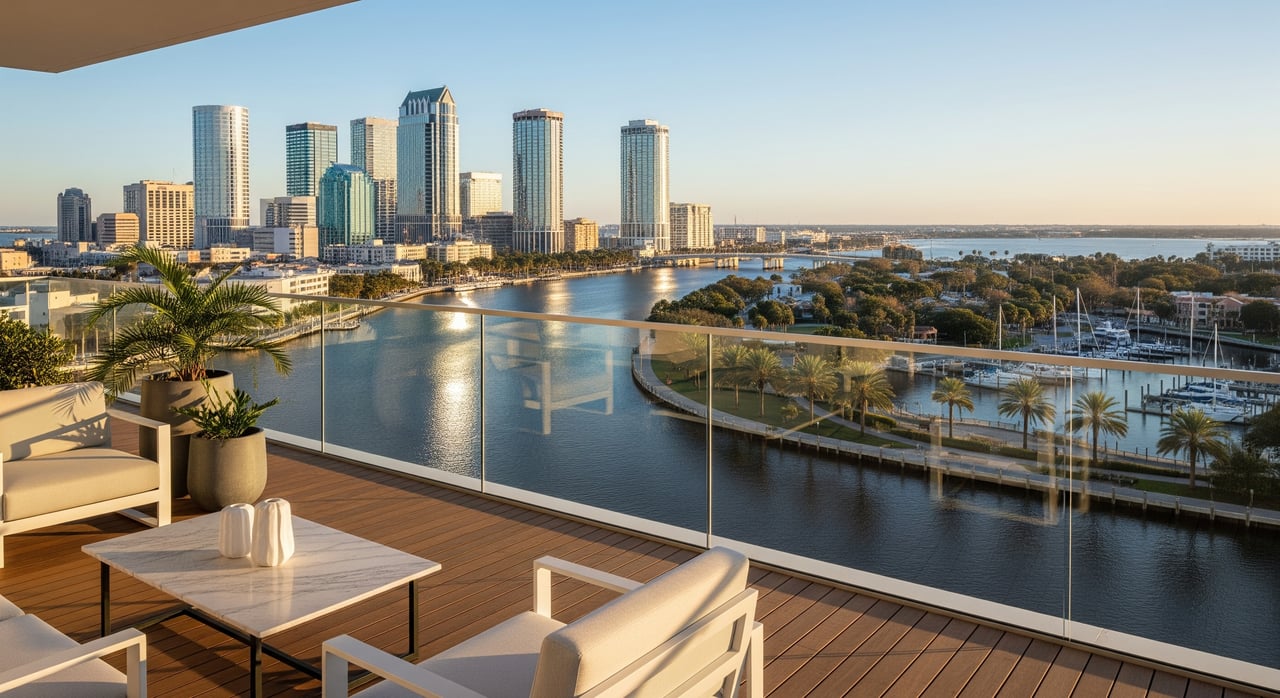
- Lead with lifestyle and livability. Market views, balconies, proximity to the Riverwalk, and building amenities that matter to seasonal and local buyers alike.
- Track your building’s comps. Separate resale trends from any developer releases that could skew the data in a given month.
Action steps for buyers
- Define your timeline. Seasonal residents should start early to secure move-in ready options. Local buyers can leverage off-peak months for negotiation.
- Underwrite insurance first. Confirm coverage availability and premium ranges before you write. Review association financials and any upcoming assessments.
- Watch event-driven spikes. Expect more competition during major downtown events. Touring a week before or after big weekends can help.
- Use monthly data. Compare price, DOM, and inventory by building and unit type to find value.
Your next move
Seasonality in Downtown Tampa is predictable enough to plan around, but flexible enough to surprise you when interest rates, inventory, or insurance shift. If you time your listing or purchase with the local rhythm and prepare for hurricane-season logistics, you can improve your outcome without overpaying or over-waiting.
Ready to align your timeline with the market and your goals? Reach out to Derek Mcdonald for a data-informed, practical plan tailored to your building, your budget, and your calendar.
FAQs
When is the best time to list a Downtown Tampa condo?
- Late fall through early spring usually brings higher buyer traffic, but confirm current-year monthly data and inventory before deciding because new construction or rate shifts can change the picture.
Are Downtown Tampa condo prices higher in winter and spring?
- Seasonal demand often puts upward pressure on winter-spring pricing for turnkey condos near amenities, though outcomes vary by building and overall inventory.
Does hurricane season reduce buyer activity in Tampa?
- Yes, hurricane season from June to November typically moderates urgency for discretionary moves and increases focus on insurance and storm readiness during underwriting.
Do snowbirds really impact downtown condo demand?
- Yes, seasonal residents and winter visitors significantly influence buyer traffic for condos, especially near entertainment and waterfront amenities.
How do conventions and events affect sales downtown?
- Major events can create short-term spikes in tours and investor interest; track activity with resources like the Tampa Downtown Partnership and Visit Tampa Bay when planning timing.
What data should I monitor before listing or buying downtown?
- Review monthly trends for new listings, pendings, median price, days on market, and months of inventory, plus association budgets and insurance considerations for your target building.