If you are picturing coffee on the back deck while dolphins surface in the channel, you are not alone. Buying a waterfront home in Tarpon Springs can deliver that lifestyle, but it also comes with extra rules, inspections, and costs that you should understand early. In this guide, you will learn the key permits, flood and insurance steps, dock and boating realities, long‑term maintenance, and a practical due‑diligence checklist. Let’s dive in.
Why Tarpon Springs waterfront
Tarpon Springs sits on the Anclote River and St. Joseph Sound, which means quick access to the Intracoastal and the Gulf. You can keep a small boat at home in many neighborhoods, or use nearby marinas for storage and service. The local Sponge Docks area adds a unique working‑waterfront vibe, so you get a blend of boating, culture, and relaxed coastal living.
Permits and shoreline rules
Who regulates docks and seawalls
Waterfront improvements are reviewed at several levels. The City of Tarpon Springs applies local rules and relies on Pinellas County’s water and navigation standards for docks and shoreline work. Private dock location, length, and setbacks are limited by these codes, so you should confirm what is allowed on a specific lot before you plan a lift or expansion. You can review the city’s adopted approach to dock criteria in the local code summary at Tarpon Springs development regulations.
Pinellas County’s Water and Navigation Control Authority sets minimum construction specifications, including piling materials, spacing, fastening, and residential slip limits. Many projects require city sign‑off before county submittal. The county specifications are detailed in Pinellas County Water & Navigation rules.
Some projects also need state or federal authorization. Shoreline stabilization, dredging, and any work in navigable waters can trigger Florida DEP or U.S. Army Corps permitting, or require confirmation that the project qualifies for a general permit. Learn more from the U.S. Army Corps Regulatory Program.
Mangrove trimming rules
If your shoreline includes mangroves, do not cut before you check the rules. Pinellas County administers mangrove‑trimming standards under state authority. Many trimming activities require a permit or must follow strict height and percentage limits, and taller trees often require a registered professional trimmer. Review the county’s guidance on homeowner mangrove trimming.
Before you write an offer
Ask the seller for copies of permits, as‑built drawings for the dock and seawall, and the property’s permit history. If documents are missing, build time into your offer for research and inspections. An unpermitted dock or seawall can lead to after‑the‑fact permitting or repairs at the buyer’s expense. The city’s code overview at Tarpon Springs development regulations is a good starting reference for how approvals are handled.
Flood, elevation, and insurance
Confirm your flood risk
Flood risk is property‑specific. Start with FEMA flood maps, then obtain or request the Elevation Certificate so an insurer can price your exact structure correctly. The city provides map resources and guidance on where to find floodplain and survey information at City of Tarpon Springs maps.
Insurance and premiums
Pinellas County participates in FEMA’s Community Rating System and recently improved to Class 2, which can reduce NFIP premiums for many policyholders, though final pricing is still based on your property’s risk and features. Read more about the county’s rating at Pinellas CRS Class 2 update.
Also note that Citizens Property Insurance, the state’s insurer of last resort, has phased in requirements for some policyholders to maintain a separate flood policy. If you expect to use Citizens, verify whether a flood policy will be required and compare options with private carriers. See program changes summarized by Citizens Property Insurance.
What to request from the seller
Request the latest Elevation Certificate, any Letters of Map Amendment or Revision, and any records of prior flood claims. If the EC is missing, budget for a licensed surveyor to prepare one. The city explains EC requests at Elevation Certificate information.
Boating access and dock limits
Depth, shoaling, and tides
Tarpon Springs offers relatively quick Gulf runs, but the Anclote River entrance and nearby channels can shoal. Draft and tide matter, especially for deeper‑keeled boats. Local mariners report changing conditions at the river mouth, so get current local advice and watch tide predictions when planning routes. For navigation updates in this area, see Anclote River and West FL ICW reports.
Dock size and slip limits
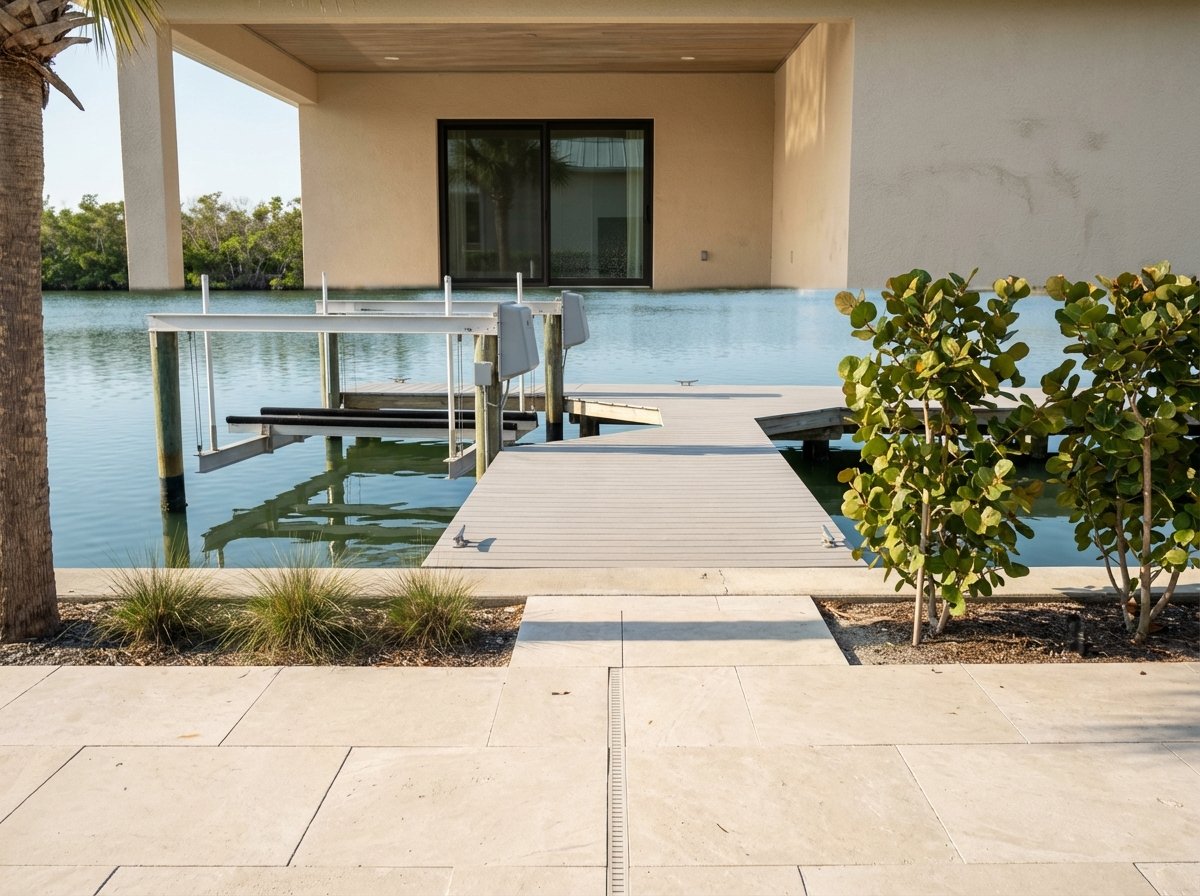
Expect limits on how far a residential dock can extend relative to your lot and on the number of boats you can keep at a private dock. Covered structures and roof heights can also be restricted. Review the county’s construction specifications and permitting requirements at Pinellas County Water & Navigation rules before you assume you can add length, a lift, or a boathouse.
Maintenance and long‑term costs
Seawalls and shoreline structures
Seawalls require routine inspections and, at times, significant repairs or full replacement. Minor repairs can cost in the low hundreds per linear foot while full replacements can run several hundred to over a thousand dollars per linear foot depending on material and access. Plan for a marine contractor or engineer to inspect during your due diligence. See typical ranges and planning notes in this overview of seawall costs and inspections.
Docks, lifts, and equipment
Dock and lift budgets vary widely with material choice, engineering, electrical work, and permitting. Basic platforms can be relatively modest, while engineered piling docks with composite decking and a quality lift can reach the high five figures. Build annual inspections for the dock and lift into your plan, tighten hardware after storms, and use marine‑grade materials to slow corrosion.
Home systems and salt air
Salt air and humidity accelerate wear on paint, fasteners, exterior lighting, and screens. Plan slightly shorter repainting cycles, regular pressure cleaning, and consistent HVAC servicing. Use stainless or hot‑dip galvanized hardware where possible, and replace worn gaskets and weatherstripping to limit moisture intrusion.
How water affects value
Waterfront premiums vary by water type, view, dock rights, and neighborhood demand. A deeded private dock often commands a significant premium compared with water‑view only. Rather than relying on national averages, focus on recent Tarpon Springs sales with similar water access and dock features to size the premium for a specific property. Your agent should prepare a tight comp set so you can separate lifestyle value from ongoing ownership costs.
Your step‑by‑step due diligence
- Collect records: Ask the seller for dock and seawall permits, as‑built drawings, maintenance logs, Elevation Certificates, and any flood map letters. If missing, write contingencies for research time. See the city’s code overview at Tarpon Springs development regulations.
- Verify flood risk: Check FEMA maps and request an Elevation Certificate for accurate quotes. Start with City of Tarpon Springs maps.
- Order a survey: Confirm property corners, mean high‑water or seawall lines, and any riparian or access easements. If no EC exists, have the surveyor prepare one. Details at Elevation Certificate information.
- Inspect marine structures: Hire a marine‑structure inspector or engineer. Include underwater checks for toe or berm failure and get written repair estimates. Use the seawall cost overview for planning ranges.
- Confirm permits: Coordinate with the City and Pinellas County Water & Navigation. If mangroves are present, confirm whether trimming is exempt or permitted and whether a professional trimmer is required. Review mangrove trimming guidance and county dock standards.
- Nail down insurance: Get written home, wind, and flood quotes from multiple carriers. If Citizens is likely, verify flood requirements. See Citizens program changes and the county’s CRS Class 2 update.
- Title review: Ask title counsel to confirm ownership and responsibility for the seawall, any shared structures, riparian rights, and recorded easements.
- Boating plan: Validate draft and clearance for your vessel, and confirm any dock length or slip limits that apply to your lot. For channel conditions, monitor Anclote River navigation updates.
Ready to shop with confidence and a clear plan? Work with a local pro who understands both the numbers and the construction details. If you want a step‑by‑step path, introductions to marine inspectors, and smart negotiation around permits and insurance, connect with Derek McDonald to get started.
FAQs
How do I check a Tarpon Springs home’s flood zone?
- Use the City’s flood map resources to identify FEMA zones, then obtain or request the property’s Elevation Certificate for accurate pricing. Start with City of Tarpon Springs maps.
Do I need a permit to repair a dock in Tarpon Springs?
- Most dock repairs and replacements require approvals that align with the City’s process and Pinellas County Water & Navigation standards, and some work may also need state or federal authorization. Review county dock standards and the U.S. Army Corps permit guidance.
Can I trim mangroves to improve my view at a Tarpon Springs home?
- Maybe, but rules are strict. Many trimming activities need a permit or a registered professional trimmer, with limits on height and timing. See mangrove trimming guidance.
How often should I inspect a seawall on a Tarpon Springs property?
- Plan periodic inspections by a qualified marine contractor, with extra checks after major storms. Use planning ranges and tips from this seawall cost overview.
Will Citizens require me to buy separate flood insurance in Pinellas County?
- Citizens has phased in flood policy requirements for some personal lines customers. Confirm whether your specific home and coverage level triggers the rule. Review Citizens program changes.
Are Tarpon Springs channels deep enough for my boat year‑round?
- Depths can change with shoaling and tides near the Anclote River entrance. Check local navigation reports and consult nearby marinas for the latest conditions. See Anclote River navigation updates.