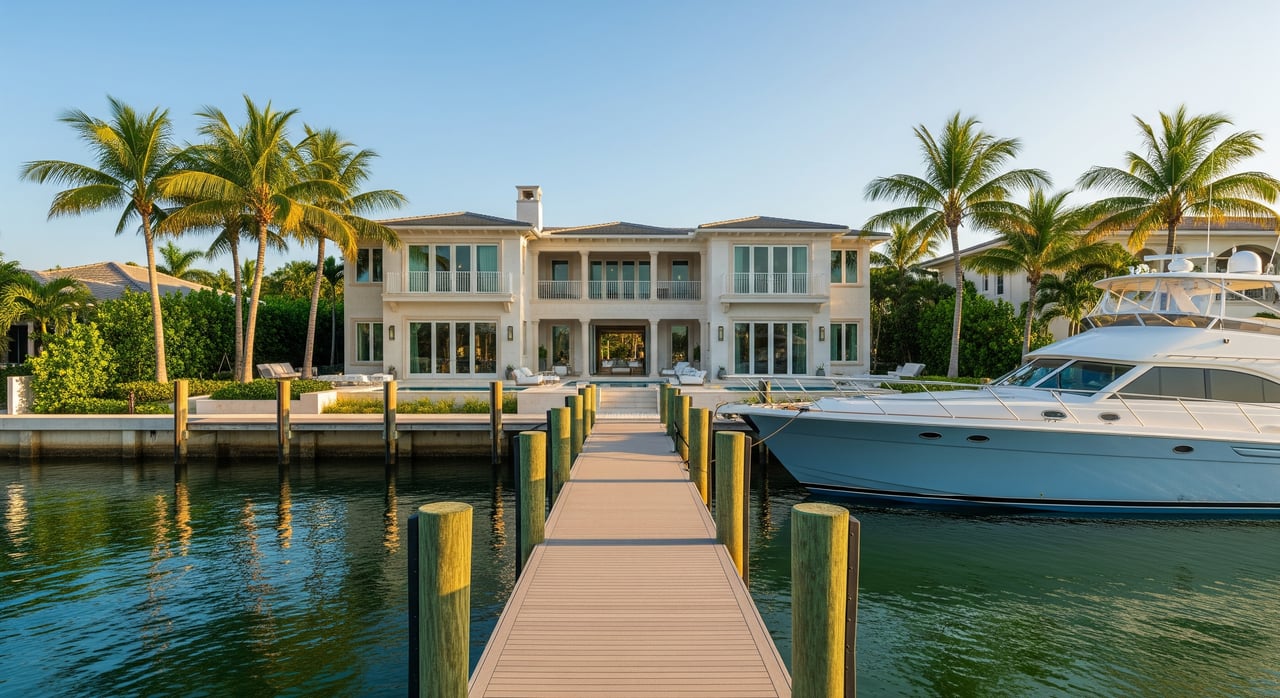
If your ideal weekend starts on the water, Tarpon Springs makes it easy to live that lifestyle every day. You get tidal waterways that feed into the Gulf, a historic working waterfront, and quick runs by boat to barrier islands for fishing and beach days. If you are shopping for a home, or preparing to sell one, the key is knowing what “boat‑friendly” really means here. In this guide, you will learn how access works, what to look for in docks and seawalls, which permits and risks matter, and how to plan your budget and maintenance with confidence. Let’s dive in.
Why Tarpon Springs works for boaters
Tarpon Springs sits on the Gulf side of Tampa Bay with waterways that connect through the Anclote River and Spring Bayou. From town, you can run to Gulf barrier islands like Anclote Key, and make day trips to Honeymoon and Caladesi in the wider region. Locals use the water for inshore fishing, nearshore runs when weather allows, shelling, scalloping in season, and easy sightseeing cruises.
For many buyers, “Tarpon Springs access” means one of three things: a private dock at your property, a slip at a condo or marina, or a quick drive to public ramps and marine services. The right choice depends on your boat, your budget, and how often you plan to be on the water.
What “boat‑friendly” really means
When you see “boat‑friendly” in a listing, focus on the practical features that shape your daily use:
- Direct water frontage with a private dock or the ability to add one, subject to permits.
- Adequate water depth for your vessel at mean low tide, both at the dock and along the approach.
- Unimpeded transit to open water, which means no low fixed bridges for your vessel height and manageable drawbridge schedules if any apply.
- Nearby ramps, marinas, storage, fuel, and service providers.
- A local boating culture with bait and tackle shops, plus options for seasonal activities.
Property types to consider
- Waterfront single‑family homes. These often include a seawall and private dock. The big value factors are depth, exposure to waves, and the condition of the dock and seawall.
- Canal or riverfront homes. You still get Gulf access, but distances, bridge clearance, and channel shoaling can vary by location.
- Condos with wet slips or on‑site marinas. Check slip assignment rules, transfer policies, insurance requirements, and waitlists.
- Non‑waterfront homes near ramps or marinas. You trade private dock convenience for lower upfront cost, but you still launch quickly.
Access checklist for buyers
Walk each property with your boat and routine in mind. Ask about:
- Water depth at mean low tide at the dock and along the approach channel.
- Dock design, length, width, and piling type. Note electrical and water service on the dock.
- Seawall condition and any recent repairs or inspections.
- Bridge clearance along your route to the Gulf, and any drawbridge schedules.
- Location relative to channels, shoals, and slow or no‑wake zones.
- Riparian or littoral rights, easements, and where property lines meet the water.
- HOA or deed restrictions on dock construction, boat size, liveaboard policies, and fuel storage.
- Slip assignment rules for community marinas and any applicable waitlists.
Tip: A licensed marine surveyor can measure depth, review the approach, and inspect the dock. A structural engineer or seasoned dock contractor can assess seawalls and estimate remaining life.
Permits and environmental rules
Building, modifying, or repairing docks and seawalls can involve several agencies. The City of Tarpon Springs handles local zoning and building codes. Pinellas County oversees floodplain and environmental codes. The Florida Department of Environmental Protection may regulate work that affects sovereign submerged lands, wetlands, mangroves, or other coastal resources. The U.S. Army Corps of Engineers can have jurisdiction in navigable waters.
Your permit path depends on where your shoreline sits, the scope of work, and whether dredging is involved. Expect reviews for dock size and setbacks, pile materials, and environmental impacts like seagrass. Some areas have manatee protection zones or seasonal speed reductions. Do not assume you can remove mangroves or alter dune vegetation without approvals. For the smoothest process, have a permit specialist or coastal attorney confirm shoreline ownership and any sovereign lands issues before you design improvements.
Flooding, storms, and insurance
Waterfront homes in Tarpon Springs face coastal risks like storm surge and tidal flooding, on top of rainfall flooding. FEMA flood zones and Base Flood Elevations determine whether lenders require flood insurance. Many buyers obtain elevation certificates for accurate insurance rating and for certain building permits.
Insurance needs vary by property. Flood insurance may come through the National Flood Insurance Program or private carriers, depending on the situation. Windstorm coverage in coastal Florida can be costly and availability depends on construction type, roof, elevation, and mitigation features. Some owners use Citizens Property Insurance when private markets are limited. If you rely on a marina slip, review contract insurance requirements and check whether your carrier includes hurricane haulout coverage for your boat.
Plan for resilience now
When you evaluate coastal property, plan for hurricanes and long‑term sea‑level trends. Consider:
- Elevation of the home’s finished floor and elevation of dock structures.
- Hurricane‑rated dock and pile designs, where applicable.
- Seawall tiebacks and armor, plus the ability to permit repairs quickly.
- A haulout or evacuation plan for your boat and clarity on which local facilities accept boats during storm prep.
- Critical utilities placed above expected surge elevations.
Sea level rise projections for the Tampa Bay region show gradual increases over coming decades. Over time, low‑lying docks and back‑bay areas may see more frequent high‑tide impacts. If your horizon is 10 to 30 years, it is smart to choose designs and elevations that keep future maintenance manageable.
Costs and maintenance basics
Dock and seawall costs vary by site conditions, design, materials, and permitting. Wooden docks often need deck and piling replacement over time, while composite materials can extend decking life with higher upfront cost. Seawalls commonly require periodic inspections and repairs, especially after storms. If the property depends on dredged channels, confirm who maintains them and how often.
If you are buying a condo or a home with a community marina, review reserve studies and recent inspection reports. You want to understand upcoming capital projects and assessments. For single‑family homes, ask for as‑built dock drawings, permits, inspection records, and any recent quotes for repairs or upgrades. These details help you budget and avoid surprises.
No dock? Your options
If you love boating but do not want a private dock, you still have choices. Many owners use nearby public ramps for day boating and keep vessels on trailers. Others secure wet slips or dry storage at marinas or community facilities. Check slip availability, waitlists, insurance requirements, hurricane plans, and pumpout services. If you plan to grow into a larger boat, make sure the facility can handle that future size.
Buying strategy in Tarpon Springs
- Define your boating goals. List your vessel’s length, beam, draft, and height, and note how often you plan to go offshore versus inshore.
- Screen listings for real access. Ask for low‑tide depth, clearance info, and distance to the Gulf. Request permit and dock documentation early.
- Bring in the right pros. A marine surveyor can check depth and approach. A structural engineer and dock contractor can evaluate seawalls and pilings.
- Verify insurance and flood zone. Get quotes early and confirm whether an elevation certificate is available.
- Plan your first season. Identify nearby ramps, fuel, service providers, and haulout options so you are ready before peak weather.
Selling a boat‑friendly home
- Gather your documents. Include dock permits, as‑built drawings, inspection and repair records, and any elevation certificates.
- Describe access factually. Note water depth at mean low tide, proximity to channels, and whether any bridge clearances apply.
- Address condition upfront. If the dock or seawall needs attention, get professional opinions and quotes so buyers see a clear path forward.
- Clarify rules. If there is an HOA or marina, provide policies on boat sizes, slip assignments, and any waitlists.
- Highlight lifestyle. Mention proximity to the Anclote River, Spring Bayou, and regional day‑trip options like Anclote Key and Caladesi, while keeping claims accurate and current.
Work with a local advisor
Choosing the right Tarpon Springs home for boating takes both market knowledge and practical know‑how. You want an agent who can spot seawall issues, read dock permits, and negotiate with these factors in mind. With hands‑on renovation experience and deep Tampa Bay roots, Derek brings a pragmatic lens to every waterfront search and sale. If you are planning a move or prepping a listing, reach out to Derek McDonald to get a clear plan and local expertise working for you.
FAQs
Can I add a private dock to a Tarpon Springs home?
- It depends on shoreline ownership, local code, and environmental review; expect permits from the city, county, and possibly state and federal agencies.
Who permits docks and seawalls in Tarpon Springs?
- The City of Tarpon Springs handles local codes, Pinellas County oversees floodplain and environmental rules, FDEP may regulate coastal work, and the U.S. Army Corps can apply in navigable waters.
What boat sizes can reach the Gulf from Tarpon Springs?
- It varies by route depth, bridge clearance, and drawbridge schedules; verify your vessel’s draft and height against local conditions at mean low tide.
Do I need flood insurance for a waterfront home in Tarpon Springs?
- Lenders often require it based on FEMA flood zones and elevation; many owners carry flood and wind policies, and an elevation certificate can improve rating accuracy.
How should I prep my dock for hurricane season in Tarpon Springs?
- Use hurricane‑rated designs where appropriate, secure utilities above surge levels, and have a haulout or evacuation plan with local facilities identified in advance.
What if I do not have a private dock in Tarpon Springs?
- You can use nearby public ramps, or secure a wet slip or dry storage at marinas; confirm availability, insurance needs, and hurricane plans before you commit.